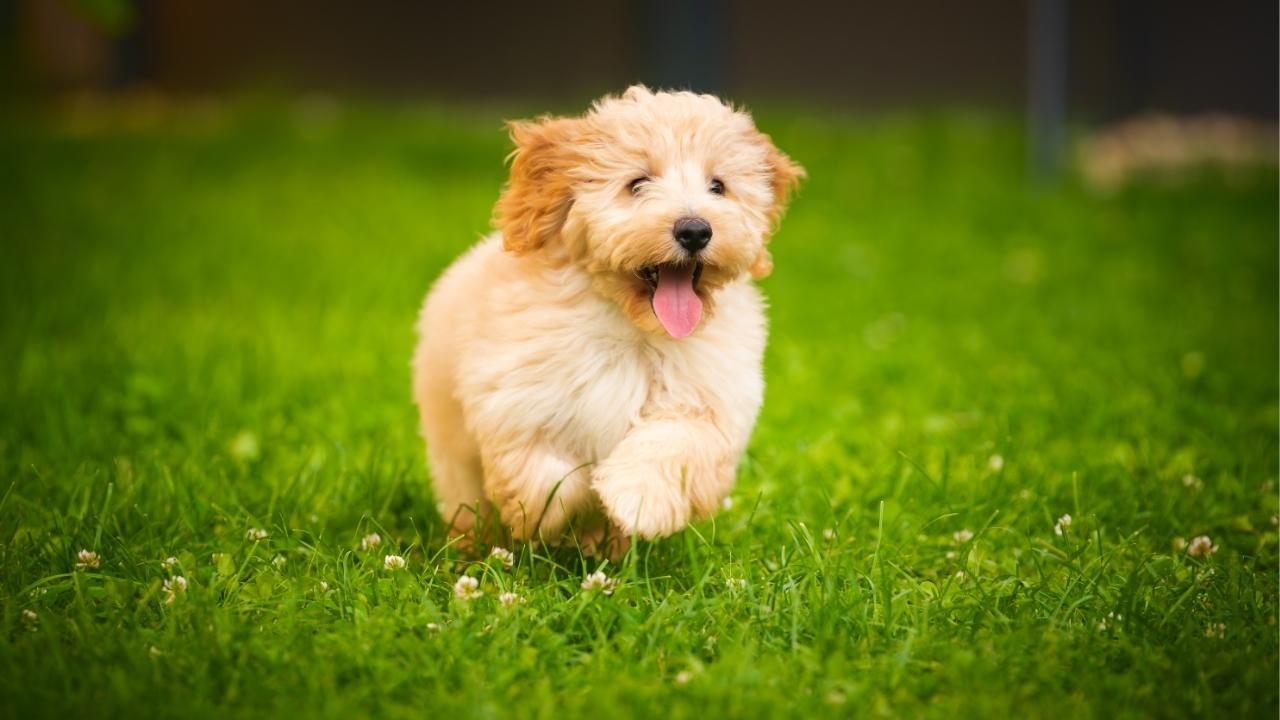
When to Start Training a Puppy You Bought
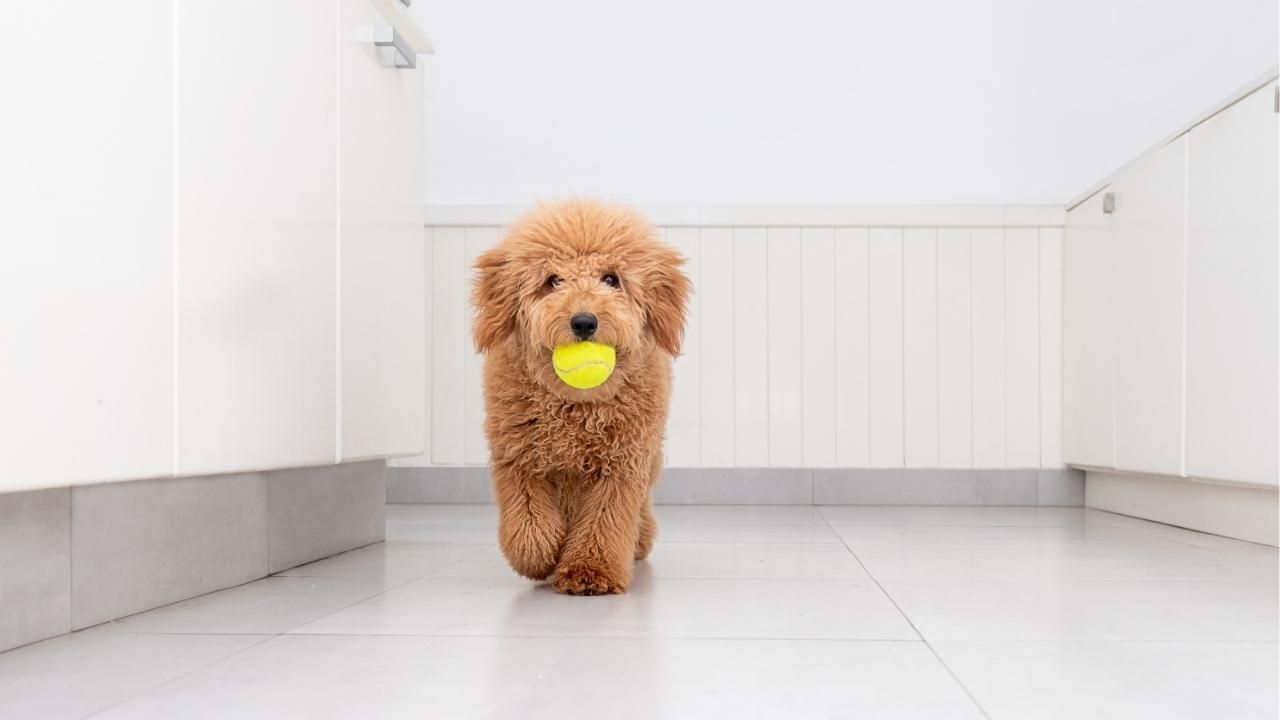
Bringing home a puppy is exciting, chaotic, and sometimes overwhelming. One moment you’re admiring those tiny paws, and the next you’re wondering when the training should actually begin. The truth is simple: puppy training starts earlier than most people think.
In this guide, you’ll learn when to start training your puppy, which skills to focus on first, and how to build good habits from day one. With the right timing and approach, you can raise a confident, well-behaved dog that fits perfectly into your home.
Start Training the Moment Your Puppy Arrives
Many new owners assume training should wait until their puppy gets older. In reality, training begins the very first day your puppy comes home.
If you recently searched for “Golden Doodles for sale in Cottonwood AZ,” chances are you’re preparing to bring home a young puppy from one of the current litters available. That early stage is actually the best time to begin shaping behavior.
Puppies are constantly learning, even when you’re not actively teaching them. They quickly form habits based on what they experience during their first weeks at home.
Start with simple foundations like:
- Learning their name
- Basic house training
- Getting comfortable with a crate
- Gentle leash introduction
- Positive interaction with people
These early lessons build the groundwork for more advanced training later on.
Focus on Basic Skills First
Before teaching fancy tricks, focus on skills that help your puppy live comfortably in your home.
Young puppies, regardless of the many dog breeds available, learn best through short, consistent training sessions. Five to ten minutes at a time is usually enough.
The most important early commands include:
- Sit – one of the easiest commands for puppies to learn
- Come – essential for safety and recall
- Leave it – prevents chewing or eating dangerous items
- Down – encourages calm behavior
- Name recognition – helps your puppy respond to you quickly
Always use positive reinforcement such as treats, praise, or toys. Puppies respond far better to encouragement than punishment.
Consistency matters more than intensity. Training a few minutes every day produces much better results than occasional long sessions.
Socialization Is Part of Training
Training isn’t just about commands. It also includes helping your puppy feel comfortable with the world around them.
The socialization window, typically between 8 and 16 weeks of age, is critical for shaping your puppy’s personality and confidence.
During this time, safely introduce your puppy to:
- Different people and environments
- Various sounds like vacuum cleaners or doorbells
- Car rides and outdoor walks
- Friendly, vaccinated dogs
- New surfaces such as grass, gravel, or pavement
These experiences help prevent fear-based behaviors later in life.
Puppies who are properly socialized early tend to grow into calm, adaptable adult dogs.
Case Study: How Early Training Made a Big Difference
Emma, a first-time dog owner in Arizona, brought home a Goldendoodle puppy at eight weeks old. Instead of waiting for formal training classes, she started simple routines immediately.
Each day she practiced short sessions focusing on name recognition, crate training, and the “sit” command. She also introduced her puppy to neighbors, different sounds, and short car rides.
Within three months, her puppy was fully house-trained and responded consistently to basic commands. Emma later said the biggest difference came from starting early and keeping training sessions short but consistent.
Her experience shows how early structure can shape a well-behaved companion.
Build a Training Routine That Grows With Your Puppy
As your puppy matures, your training routine should evolve as well. Once basic obedience is established, you can gradually introduce more advanced lessons.
These may include:
- Loose-leash walking
- Stay and impulse control
- Trick training
- Off-leash recall
- Agility or enrichment activities
The key is to keep training fun and engaging. Puppies thrive when learning feels like play rather than work.
Remember that patience is essential. Even the smartest puppies need repetition before new behaviors become consistent.
Give Your Puppy the Best Start Possible
Training a puppy isn’t about strict rules, it’s about building communication and trust from the beginning. Starting early helps prevent behavioral problems and creates a strong bond between you and your dog.
If you’re planning to bring home a puppy soon, choosing a responsible breeder who follows ethical dog breeding practices can also make a big difference in your puppy’s early development. Start building good training habits right away and stay consistent every day.
If you’d like guidance on choosing the right puppy or preparing for training, learn more about available options and helpful resources before bringing your new companion home.