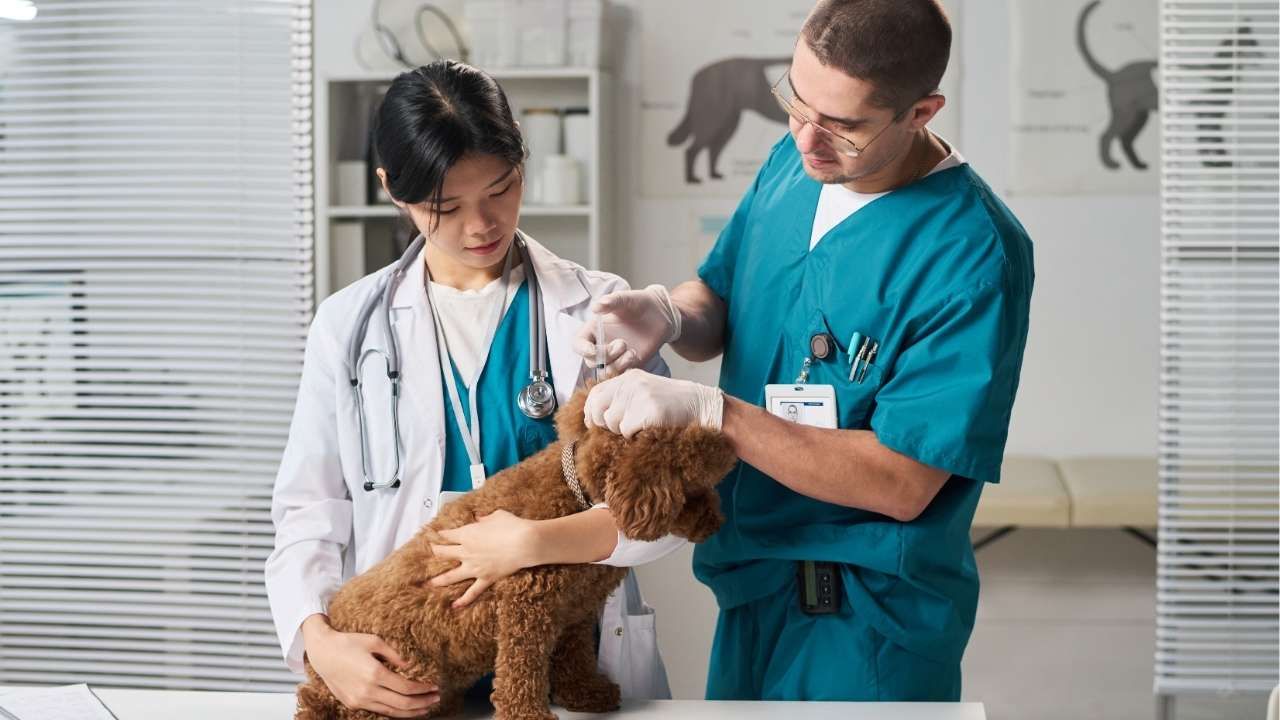
Puppy Vaccinations: What Breeders Should Handle vs. You
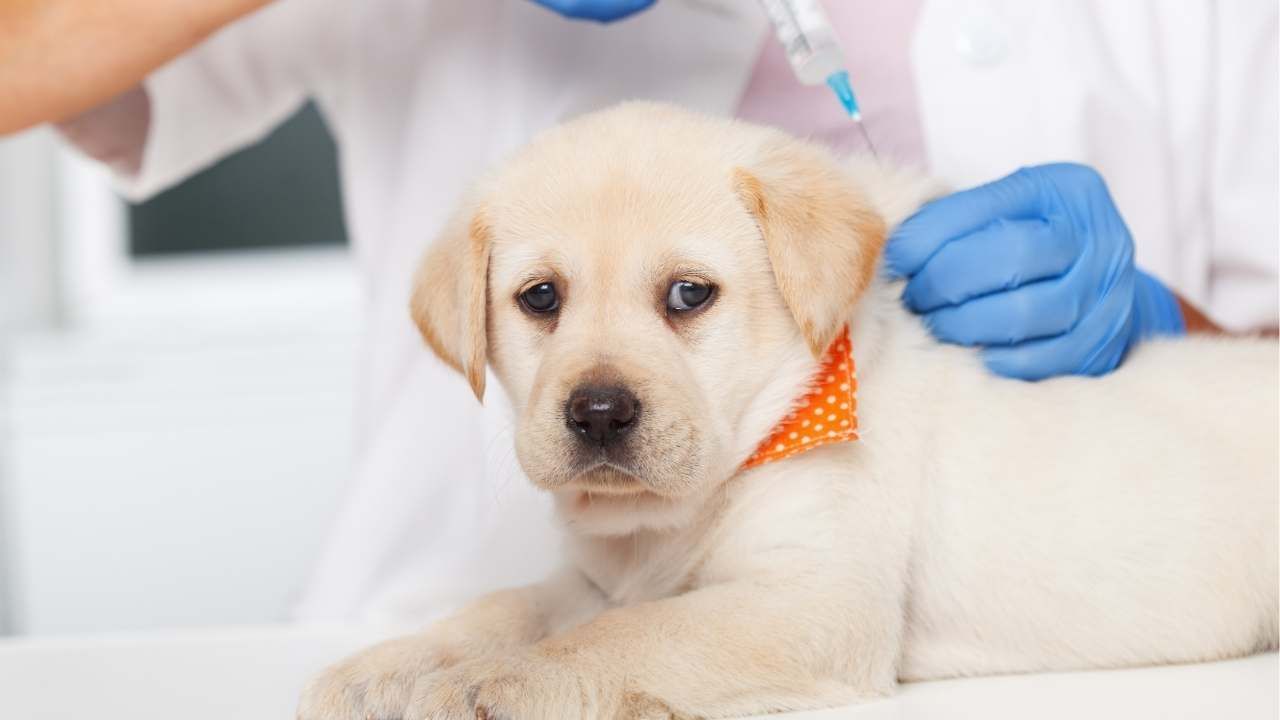
Bringing home a puppy is exciting, but it also comes with real responsibility, especially when it comes to vaccinations. Many new owners assume everything is already handled, only to realize later that timing and follow-ups matter more than they thought. If you get this wrong, you risk your puppy’s health.
In this guide, you’ll learn which vaccines breeders should take care of, what falls on you as the new owner, and how to avoid gaps that could leave your puppy vulnerable.
What Responsible Breeders Should Handle First
A reputable breeder doesn’t just hand you a puppy, they set it up for a strong, healthy start. If you're browsing options like Bernedoodles puppies for sale in Sedona AZ, this is one of the first things you should verify.
Here’s what a breeder should already have done before you take your puppy home:
- Initial vaccinations (6–8 weeks old)
Typically includes the first round of core vaccines like distemper and parvovirus. - Deworming treatments
Puppies are highly prone to intestinal parasites, so multiple rounds are standard. - Health records and documentation
You should receive a clear record of vaccines administered, including dates and types. - Basic vet check
A proper health clearance ensures your puppy is fit to transition to a new home.
A best Bernedoodles breeder won’t cut corners here. If they can’t provide documentation, that’s a red flag, plain and simple.
What You’re Responsible for as the New Owner
Once your puppy is in your care, the responsibility shifts quickly and completely. This is where many first-time owners slip up.
Here’s what you need to handle:
- Follow-up vaccination schedule
Puppies need boosters every 3–4 weeks until about 16 weeks old. - Rabies vaccination
Usually given at 12–16 weeks, depending on local regulations. - Optional (but recommended) vaccines
Depending on lifestyle and location: - Bordetella (kennel cough)
- Leptospirosis
- Lyme disease
- Regular vet visits
These ensure your puppy is developing properly and staying protected.
Skipping or delaying these steps creates gaps in immunity and that’s where problems begin.
Understanding the Vaccination Timeline
Vaccinations aren’t a one-and-done deal. Puppies are born with temporary immunity from their mother, but that fades quickly. Timing matters more than most people realize.
Here’s a simplified schedule:
- 6–8 weeks: First round (usually done by breeder)
- 9–12 weeks: Booster shots (your responsibility)
- 12–16 weeks: Final core vaccines + rabies
- 1 year: Booster to maintain immunity
Every breed, yes, even among different dog breeds, follows a similar vaccination framework, though lifestyle factors can influence additional shots.
Miss a window, and you may need to restart parts of the schedule. That’s not just inconvenient, it’s risky.
Common Mistakes New Owners Make
Even well-meaning owners make avoidable mistakes. Here are the most common ones:
- Assuming the breeder handled everything
They didn’t and they’re not supposed to. - Delaying vet visits after bringing the puppy home
You should book an appointment within the first few days. - Taking puppies to public places too early
Until vaccinations are complete, exposure should be limited. - Not keeping records organized
You’ll need these for grooming, boarding, and future vet care.
Think of vaccinations as a chain: break one link, and the entire system weakens.
A Quick Case Study: When Timing Goes Wrong
A new puppy owner brought home an 8-week-old Bernedoodle, assuming the breeder had covered all vaccinations. They waited a month before visiting the vet, thinking it wasn’t urgent.
By the time they went in, the puppy had already been exposed to other dogs at parks and sidewalks. The vet discovered the puppy had missed a critical booster window. Shortly after, the puppy developed parvovirus, a preventable but serious illness.
The result? Thousands in vet bills, emotional stress, and a very close call.
This situation wasn’t bad luck, it was a lack of clarity around responsibility.
Final Thoughts: Don’t Guess, Stay on Schedule
Vaccinations aren’t complicated, but they demand consistency. The breeder starts the process, but you finish it and your puppy’s health depends on how well you follow through.
If you’re bringing home a puppy soon, map out your vet appointments in advance and stick to them. If you have questions or want guidance tailored to your puppy’s needs, don’t hesitate to contact us and get expert support before small mistakes turn into big problems.