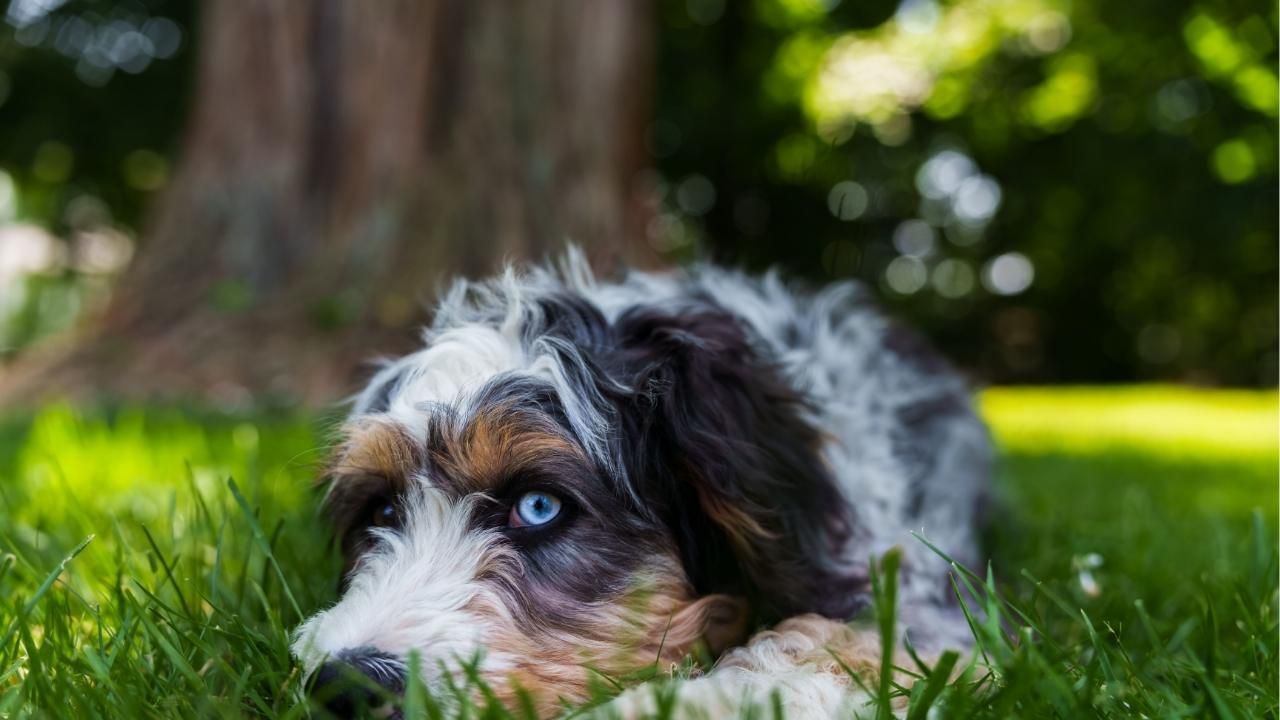
Potty Training a Purchased Puppy Faster
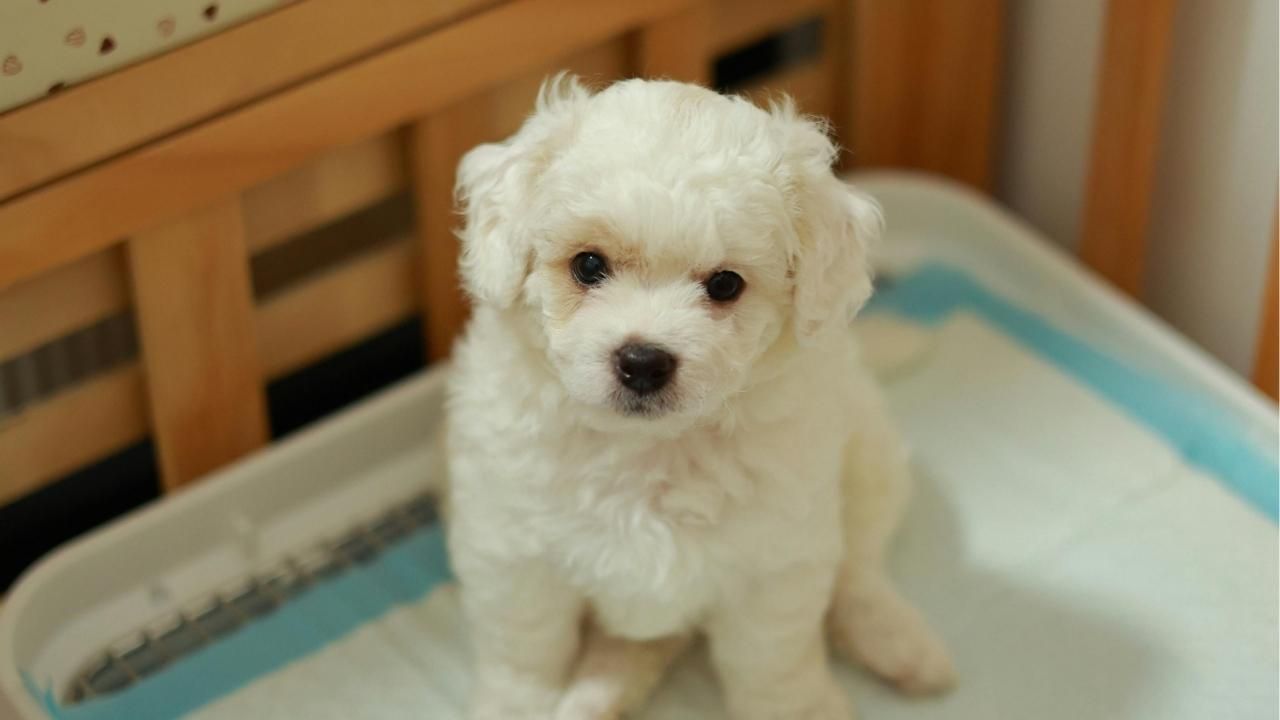
Bringing home a new puppy is exciting. It’s also messy if you’re not prepared. The first few weeks will shape your dog’s habits for years, so potty training needs to start on day one.
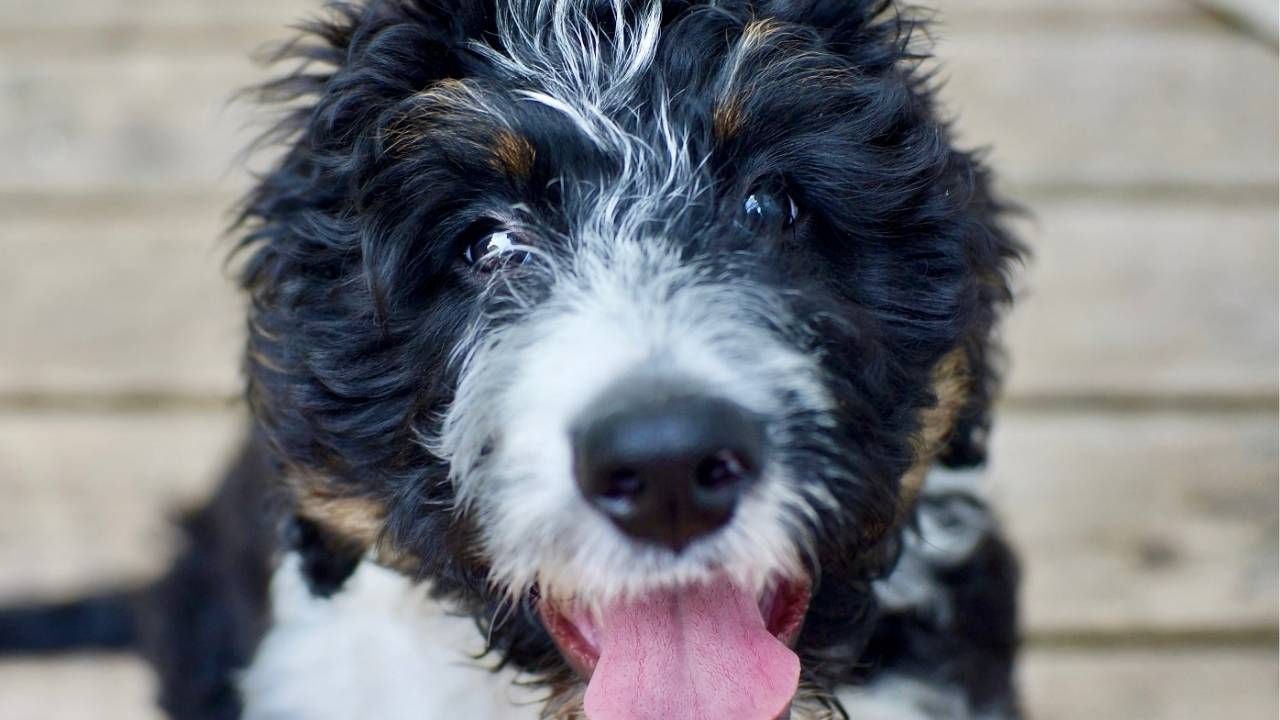
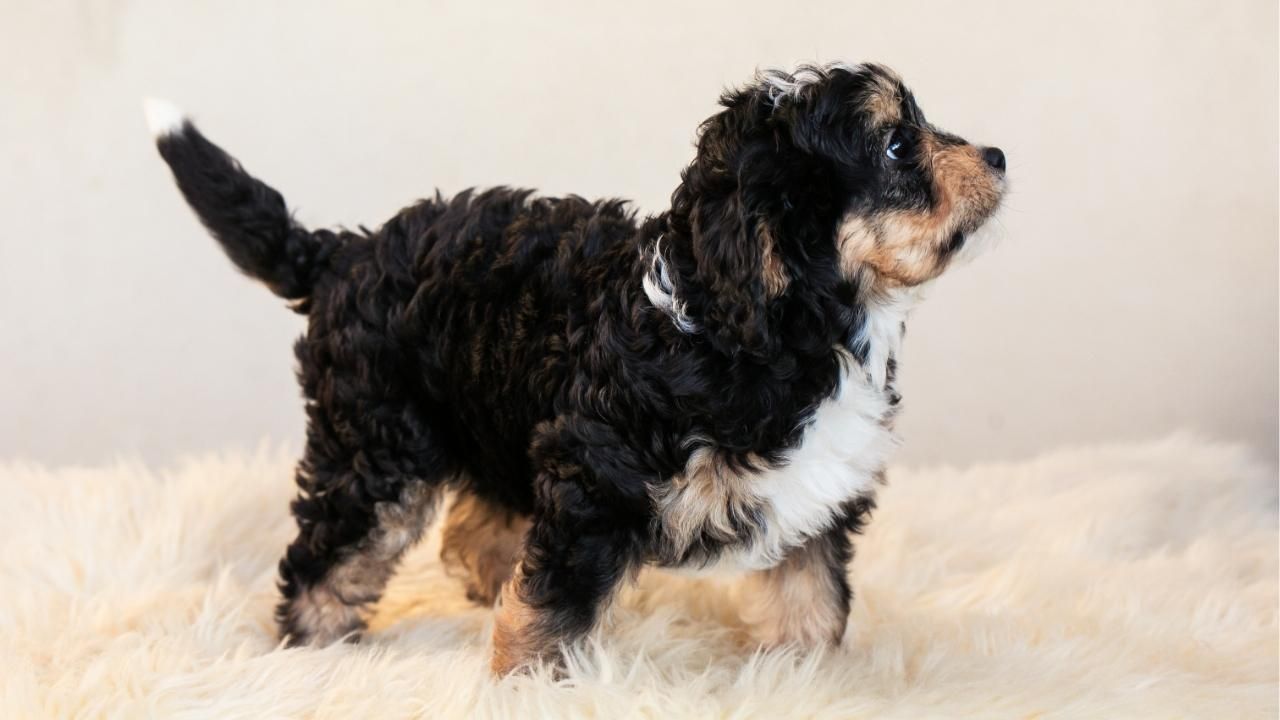
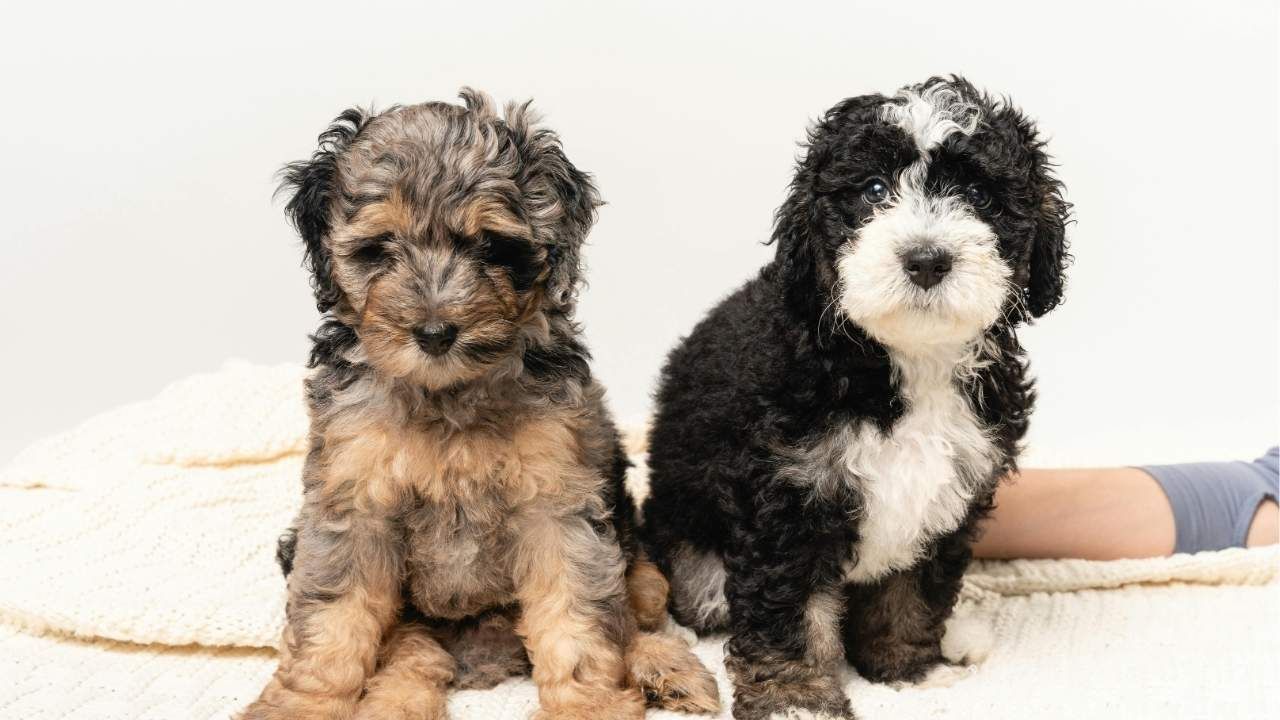
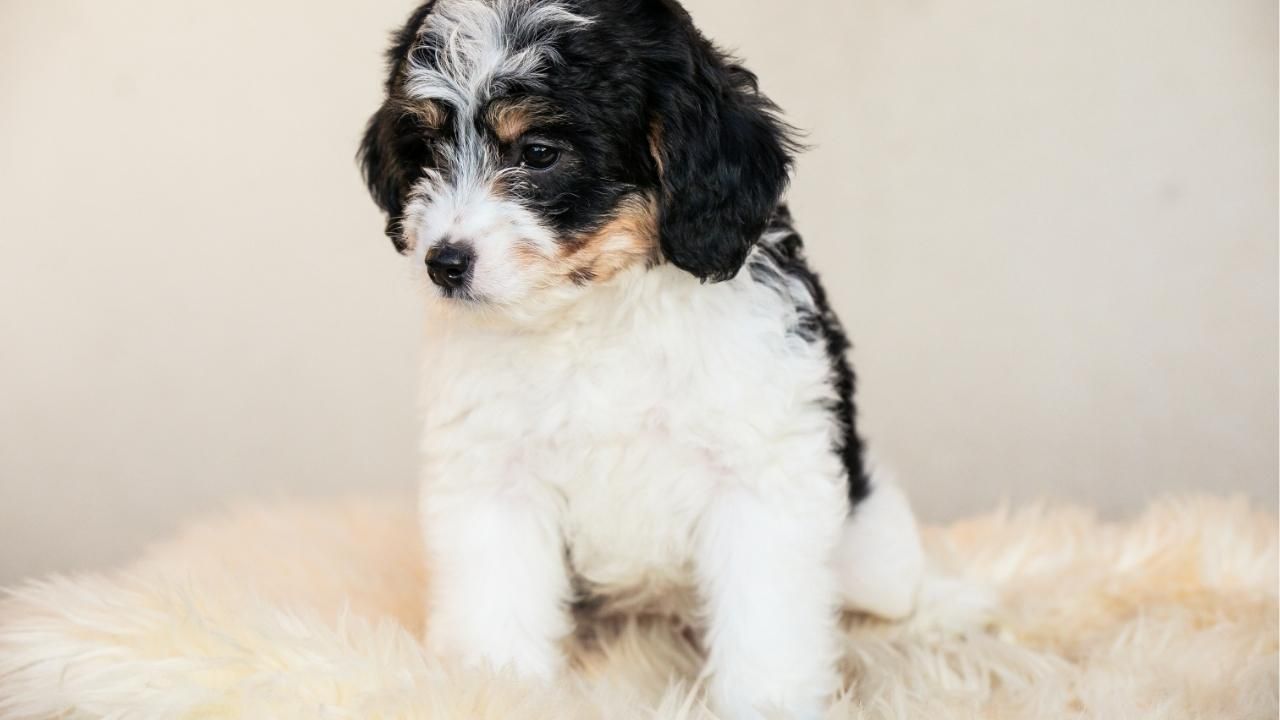
If you recently brought home one of the Bernedoodles puppies for sale in Prescott AZ, this guide will help you build a clear, fast routine. While different dog breeds learn at different speeds, the principles stay the same. And whether you bought your pup from a responsible dog breeder or adopted elsewhere, consistency is what makes the real difference.
Let’s break down how to speed up the process without confusing your puppy or yourself.
Start With a Tight Schedule
Puppies don’t have full bladder control. Expecting them to “hold it” for hours is unrealistic.
The fastest way to potty train is to remove guesswork and create a strict routine:
- Take your puppy out first thing in the morning
- Go out immediately after meals
- Go out after naps
- Go out after playtime
- Take one last trip before bed
For young puppies, that can mean every 1–2 hours at first.
Feed meals at the same times daily. Free-feeding (leaving food out all day) makes bathroom timing unpredictable. Scheduled feeding equals scheduled potty breaks.
Stick to the same outdoor spot. The familiar scent encourages your puppy to go quickly instead of wandering around.
Use Crate Training the Right Way
Crate training isn’t punishment. It’s structure.
Dogs naturally avoid soiling where they sleep. A properly sized crate helps your puppy learn bladder control faster. The crate should be:
- Large enough to stand and turn around
- Not big enough to use one corner as a bathroom
If it’s oversized, your puppy will treat it like a studio apartment instead of a bedroom.
When used correctly, a crate:
- Reduces accidents inside
- Teaches holding periods gradually
- Creates a safe, calm space
But here’s the rule: never leave a puppy crated longer than they can physically hold it. That defeats the purpose and builds bad habits.
Crate time should alternate with supervised play and outdoor potty trips.
Reward Immediately and Clearly
Timing matters more than enthusiasm.
When your puppy finishes going outside, reward within seconds. Use:
- A small treat
- Calm praise
- A consistent cue like “good potty”
Don’t wait until you’re back inside. Dogs connect rewards to what just happened. If you delay, they won’t understand what earned the treat.
Avoid punishment for indoor accidents. Yelling only creates fear. If you catch them mid-accident, interrupt gently and take them outside. If you find it later, clean it and move on.
Use an enzymatic cleaner. Regular cleaners leave scent traces that signal “bathroom spot” to your puppy.
Watch for Signals Before Accidents Happen
Fast potty training is about prevention, not cleanup.
Common signs your puppy needs to go:
- Sniffing intensely
- Circling
- Suddenly wandering off
- Whining
- Heading toward a familiar accident spot
The more closely you supervise in the first few weeks, the fewer setbacks you’ll face.
If you can’t watch them, use the crate or a small puppy-safe area. Freedom is earned gradually as accidents decrease.
Case Study: From Daily Accidents to Reliable Routine
A Prescott family brought home an 8-week-old Bernedoodle and struggled with constant indoor accidents. They were taking him out “when they remembered” and leaving food available all day.
Once they shifted to a strict schedule, crate training, and immediate rewards, progress changed fast. Within two weeks, accidents dropped by 80%. By week four, the puppy was signaling at the door consistently.
The turning point wasn’t the breed. It was structure. When expectations became clear and consistent, the puppy responded quickly.
Stay Patient but Stay Firm
Here’s the truth: speed comes from consistency, not shortcuts.
If you:
- Keep a tight schedule
- Limit unsupervised freedom
- Reward immediately
- Avoid emotional reactions
Most puppies show major improvement within 3–4 weeks.
Some will take longer. That’s normal.
The key is not changing the rules mid-process. Puppies thrive when life is predictable.
Potty training can feel overwhelming at first, but it’s temporary. Put in the structure now, and you’ll enjoy years of a well-trained dog later.
If you’re preparing to bring home a new puppy or need guidance along the way, contact us for support, advice, and help setting your new companion up for success from day one.