Puppy-Proofing Your Home: A Room-by-Room Guide
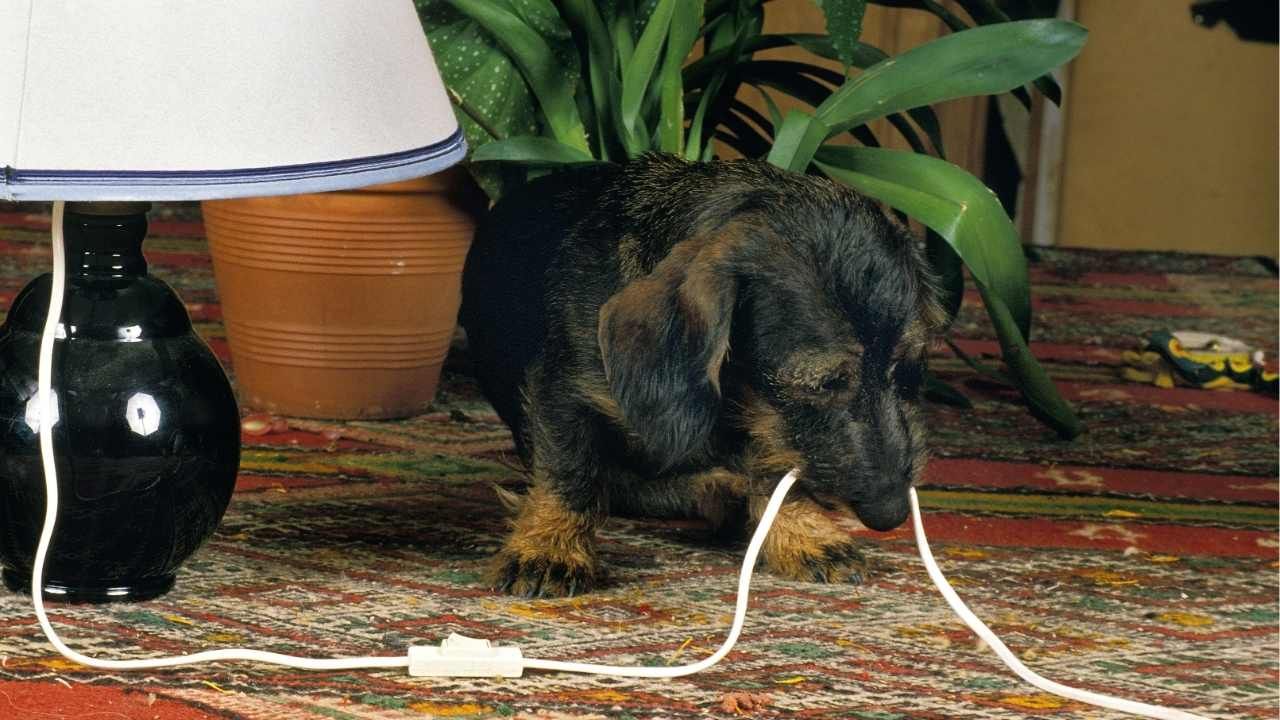
Bringing home a puppy is exciting, chaotic, and a little overwhelming all at once. One minute they’re curled up like an angel, the next they’re chewing a power cord or exploring the trash can. That’s why puppy-proofing your home before problems start is one of the smartest things any dog owner can do.
In this guide, you’ll learn how to prepare every room in your house for a curious pup. We’ll walk through practical safety steps, highlight common hazards, and help you create a space where your puppy can explore safely while you enjoy the journey of raising a well-adjusted companion.
Start With the Living Room: Where Puppies Explore First
Most puppies spend their first days exploring the living room. It’s usually the largest shared space in the home, which makes it a hotspot for accidents and mischief.
If you recently adopted or searched for fully trained dogs for sale in Cottonwood AZ, you may already know that training helps, but environment matters just as much.
Here are the first hazards to eliminate:
- Electrical cords and chargers – Bundle them or hide them behind furniture.
- Loose décor items – Puppies love knocking over small objects.
- Remote controls and shoes – Easy chew toys from a puppy’s perspective.
- Houseplants – Some plants are toxic to dogs.
Use pet gates if needed to limit access until your puppy understands boundaries. Think of the living room as the training ground where your dog begins learning the rules of the house.
Kitchen Safety: Remove Temptation and Danger
The kitchen smells amazing to a puppy. Unfortunately, it also contains some of the most dangerous items in a home.
Food scraps, cleaning chemicals, and sharp objects are constant risks. If you’re researching different dog breeds, you’ll notice that many, especially retrievers and terriers, are highly food-motivated, which means they’ll investigate every corner.
Key kitchen safety tips include:
- Install childproof cabinet locks for cleaning supplies
- Use trash cans with secure lids
- Keep food well out of reach
- Avoid leaving hot pans or knives near counter edges
A simple rule works well here: if it smells interesting, assume your puppy will try to reach it.
Bedrooms: Protect Comfort Spaces
Bedrooms feel calm to us, but to a puppy they’re full of chewable surprises.
Items like socks, charging cables, pillows, and blankets can quickly become toys. Puppies also love soft textures, which means beds and rugs can attract digging and chewing.
When puppy-proofing bedrooms:
- Store laundry in closed hampers
- Keep nightstand items off the edge
- Protect phone chargers and laptop cables
- Limit access until nighttime routines are established
This is also a great place to introduce a crate or designated sleeping area. Puppies thrive on structure, and consistent sleep spaces support training.
Bathrooms and Laundry Areas: Hidden Hazards
These smaller rooms are easy to overlook, but they contain some serious risks.
Items like medications, cleaning products, and even toilet water can attract curious pups. Many accidents happen here simply because doors were left open.
Secure these areas by:
- Storing medications in closed cabinets
- Keeping toilet lids fully shut
- Moving detergents and chemicals out of reach
- Closing bathroom doors whenever possible
Responsible dog breeding practices often emphasize early socialization and safety training, but the environment at home still plays the biggest role in shaping good habits.
Case Study: A Simple Fix That Prevented Big Problems
A new puppy owner in Arizona adopted a young Labrador mix and quickly realized their living room was full of hazards. Power strips sat on the floor, shoes were scattered near the couch, and a decorative plant sat on a low table.
Within the first week, the puppy chewed through a phone charger and nearly knocked over the plant.
After a quick puppy-proofing overhaul; cord covers, storage baskets, and a small pet gate, the chewing behavior dropped dramatically. With fewer temptations available, the puppy focused on toys instead of household items. What started as constant supervision turned into a calm routine within a few weeks.
Sometimes the solution isn’t more training, it’s better preparation.
Build a Safe Environment That Supports Training
Puppy-proofing isn’t about restricting your dog forever. It’s about creating a safe environment where good habits can develop naturally.
Start with the rooms your puppy will use most, remove obvious hazards, and gradually expand their access as they learn boundaries.
Take the time to puppy-proof your home today so your new companion can grow, explore, and thrive safely. If you’re preparing to welcome a puppy soon, learn more about responsible ownership and how the right environment helps your dog succeed from day one.