The First Year With a Puppy: Milestones to Expect
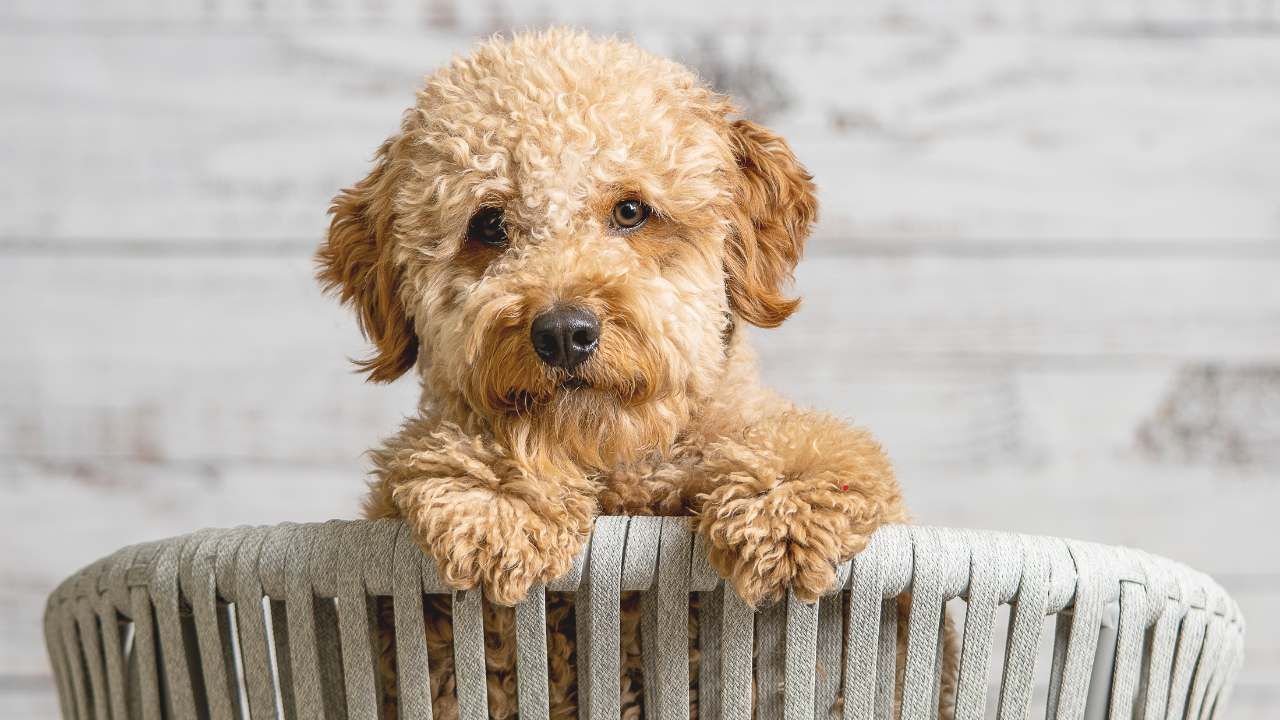
Bringing home a puppy is exciting and a little chaotic. One minute you’re laughing at clumsy paws, the next you’re cleaning up a mess you didn’t see coming. The first year moves fast, and knowing what’s normal helps you stay calm and do right by your dog.
In this guide, you’ll learn the key milestones most puppies hit in their first year, what to expect at each stage, and how to support healthy development without overthinking every phase.
Months 2–3: Settling In and Building Trust
This is the adjustment phase. Your puppy is learning a brand-new world, and everything feels big and confusing.
Expect:
- Frequent naps (puppies sleep a lot)
- Accidents indoors while potty training
- Teething and light chewing
- Early bonding with their primary people
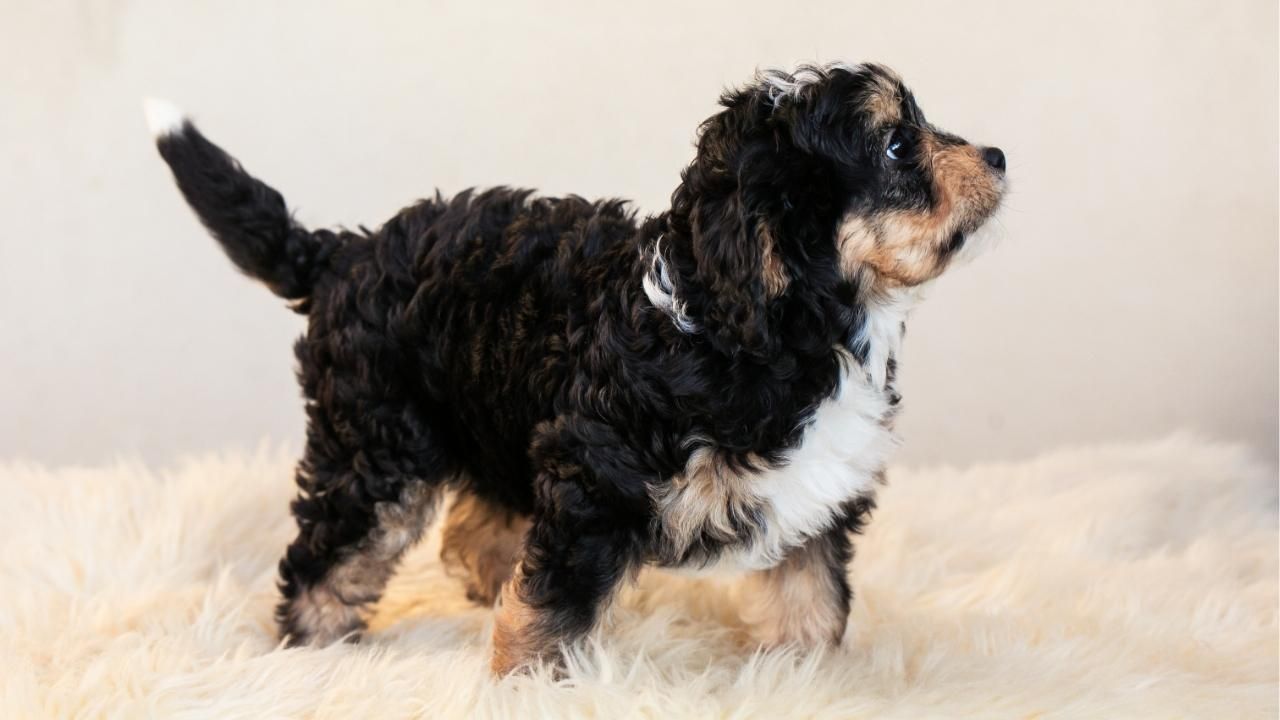
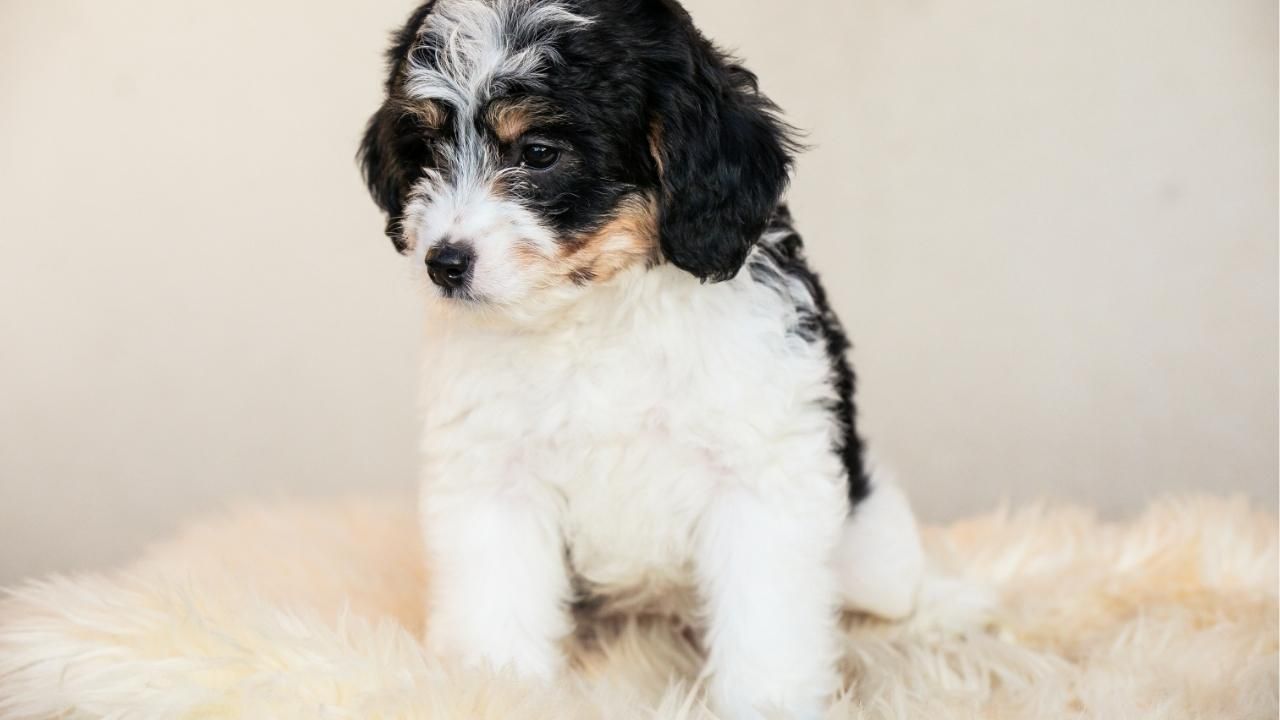
What matters most here is consistency. Regular feeding times, short training sessions, and gentle exposure to household sounds help your puppy feel secure. This is also when many families start researching reputable sources like Bernedoodles puppies for sale in Cottonwood AZ, where early socialization and health screening are prioritized.
Months 3–4: Socialization and Confidence Growth
This is one of the most important windows in a puppy’s life. Experiences now shape how your dog reacts to the world later.
You’ll notice:
- Increased curiosity
- Stronger reactions to new people and pets
- Improved bladder control
- A growing attention span
Safe socialization is key. Introduce your puppy to friendly dogs, different environments, car rides, and basic grooming routines. Puppies that come from a responsible breeding program such as Doodling Pups, LLC often adapt faster because they’re exposed to early handling and structure before going home.
Months 4–6: Teething, Testing, and Training
Brace yourself, this phase can be frustrating. Your puppy is teething and starting to test boundaries.
Common behaviors include:
- Chewing everything in reach
- Selective listening
- Bursts of energy followed by deep sleep
- More independence
Stick with training even when progress feels slow. Reinforce basic commands, redirect chewing, and stay patient. Consistency beats intensity every time. This is also when many owners realize why working with a quality dog breeding service matters, early genetics and temperament play a big role in how smoothly this stage goes.
Months 6–9: Adolescence Hits
Welcome to puppy adolescence. Your dog may suddenly “forget” everything they learned.
Expect:
- Increased stubbornness
- Testing recall and commands
- Stronger physical coordination
- Hormonal changes
This phase is temporary, but it requires follow-through. Keep routines firm, avoid reinforcing bad habits, and don’t stop training just because your puppy looks grown. Mental stimulation; puzzle toys, short training games, and walks helps burn off excess energy.
Months 9–12: Maturing Into a Companion
By the end of the first year, your puppy starts to feel like a real dog.
You’ll see:
- More predictable behavior
- Better emotional regulation
- Strong attachment to family
- Improved focus during training
Your dog isn’t fully mature yet, but the foundation is set. The time and effort you invested early pay off here in calmer behavior and deeper trust.
A Quick Real-World Example
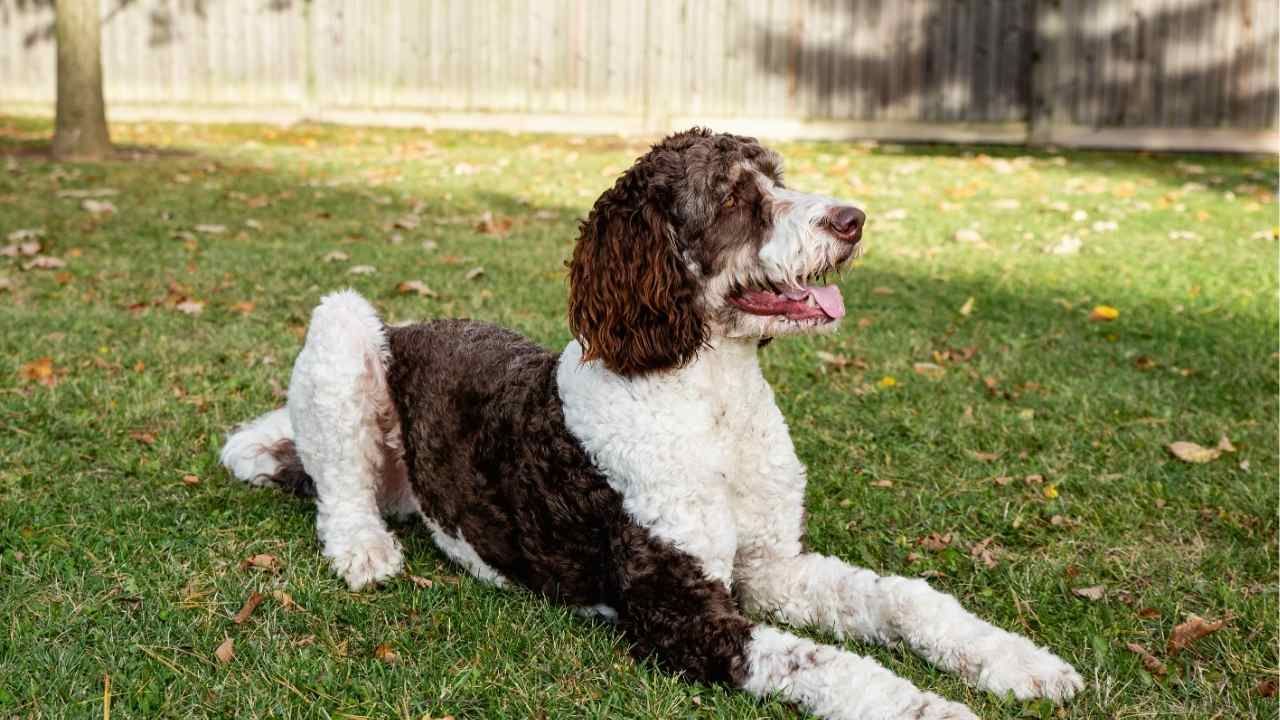
One first-time puppy owner brought home a Bernedoodle with solid early training and clear expectations. The first three months were intense, sleepless nights and constant supervision, but by month six, the puppy responded reliably to commands and handled new environments with confidence. By the one-year mark, the dog transitioned smoothly into family life, needing less correction and showing strong social skills. The difference? Early structure, patience, and realistic expectations from day one.
Final Thought
The first year with a puppy isn’t about perfection,it’s about progress. Stay consistent, stay patient, and focus on building trust. If you do, you won’t just survive the first year, you’ll set up a lifetime of good behavior and companionship.
For more information, contact us.