Do Bernedoodles Shed? What Buyers Should Know
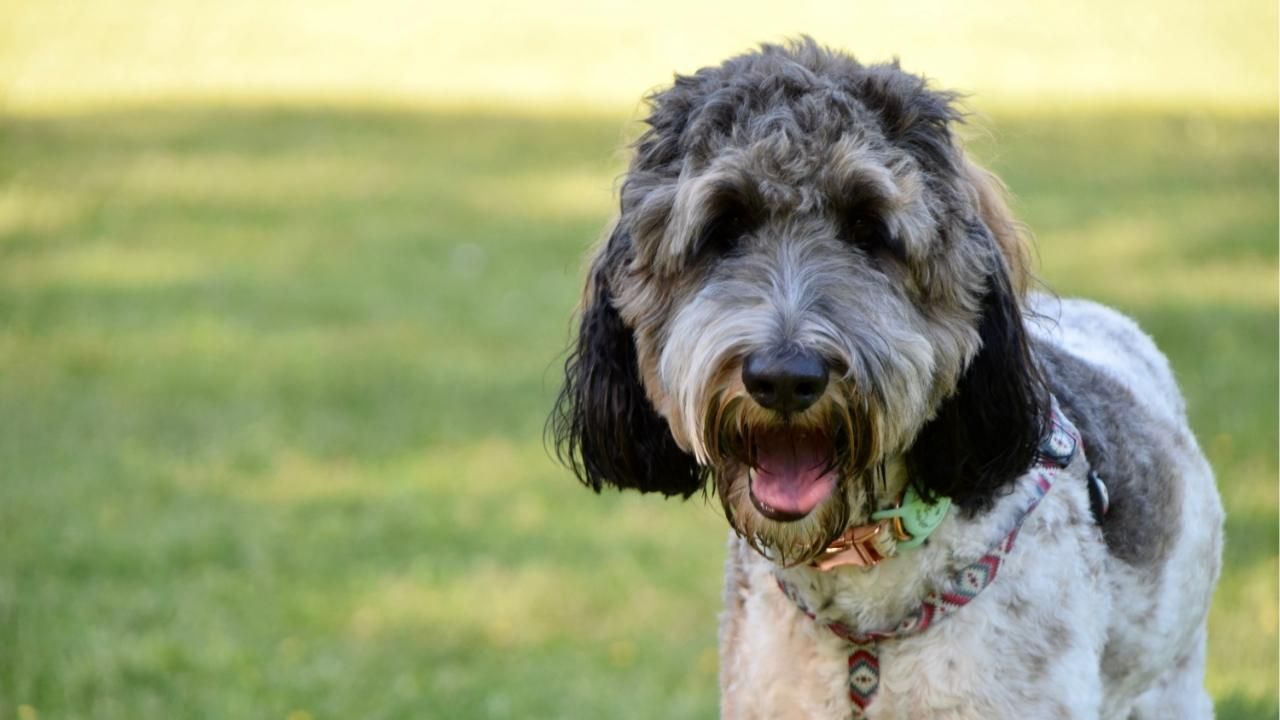
Bernedoodles are often described as low-shedding dogs, but that does not mean they are completely shed-free. Their coat type, genetics, grooming routine, and generation all play a role in how much hair ends up on your floors, furniture, and clothes. For families comparing Bernedoodles puppies for sale in Cottonwood AZ, understanding shedding before choosing a puppy can help prevent surprises later. Bernedoodles are a cross between Bernese Mountain Dogs and Poodles, so their coats can vary more than many first-time buyers expect. Some inherit more of the Poodle’s curly, low-shedding coat. Others take after the Bernese side and may shed more, especially during seasonal changes. This is why Bernedoodles are popular among people researching family-friendly dog breeds, but buyers still need honest expectations.
A responsible breeder of Bernedoodles should explain coat differences clearly instead of promising that every puppy will be hypoallergenic or non-shedding. While many Bernedoodles shed less than traditional double-coated dogs, no dog is truly 100% hypoallergenic. The good news is that with the right coat match and grooming schedule, Bernedoodles can be a great choice for many homes. In this guide, you will learn what affects Bernedoodle shedding, which coat types shed the least, how grooming helps, and what buyers should ask before choosing a puppy.
Why Bernedoodles Shed Differently
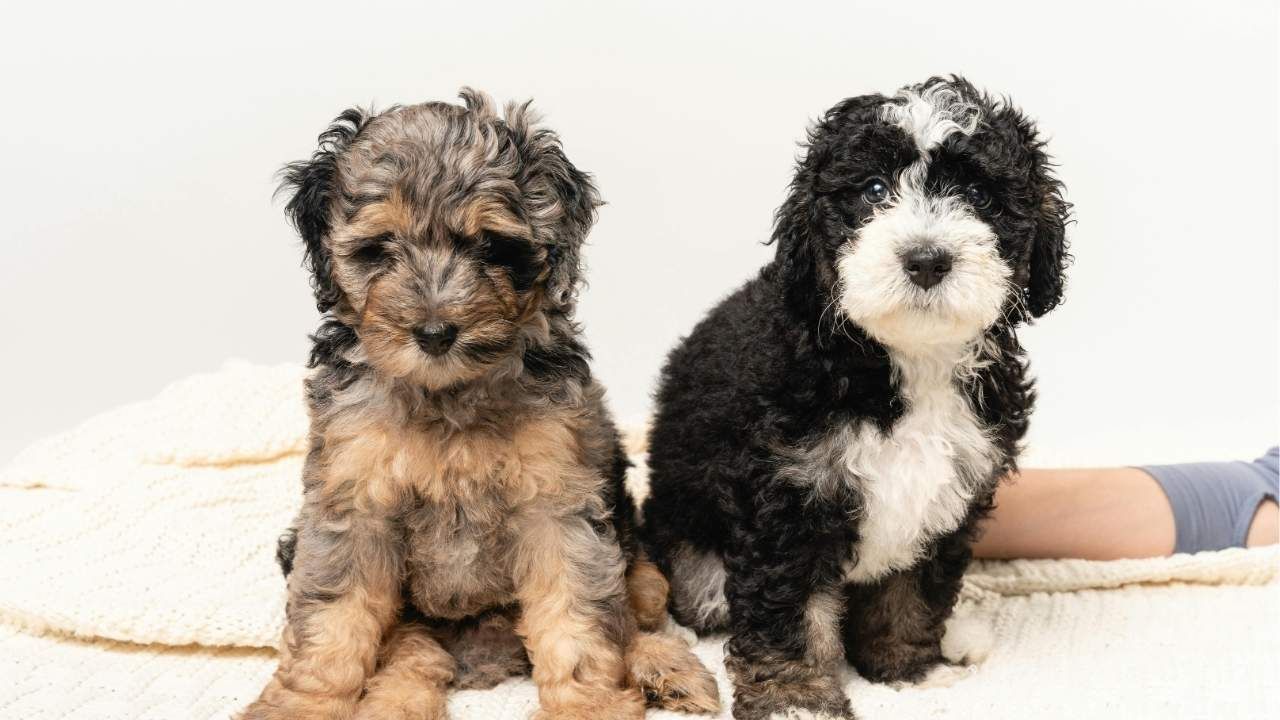
Bernedoodles do not all have the same coat. Since they come from two very different parent breeds, their shedding level depends heavily on genetics.
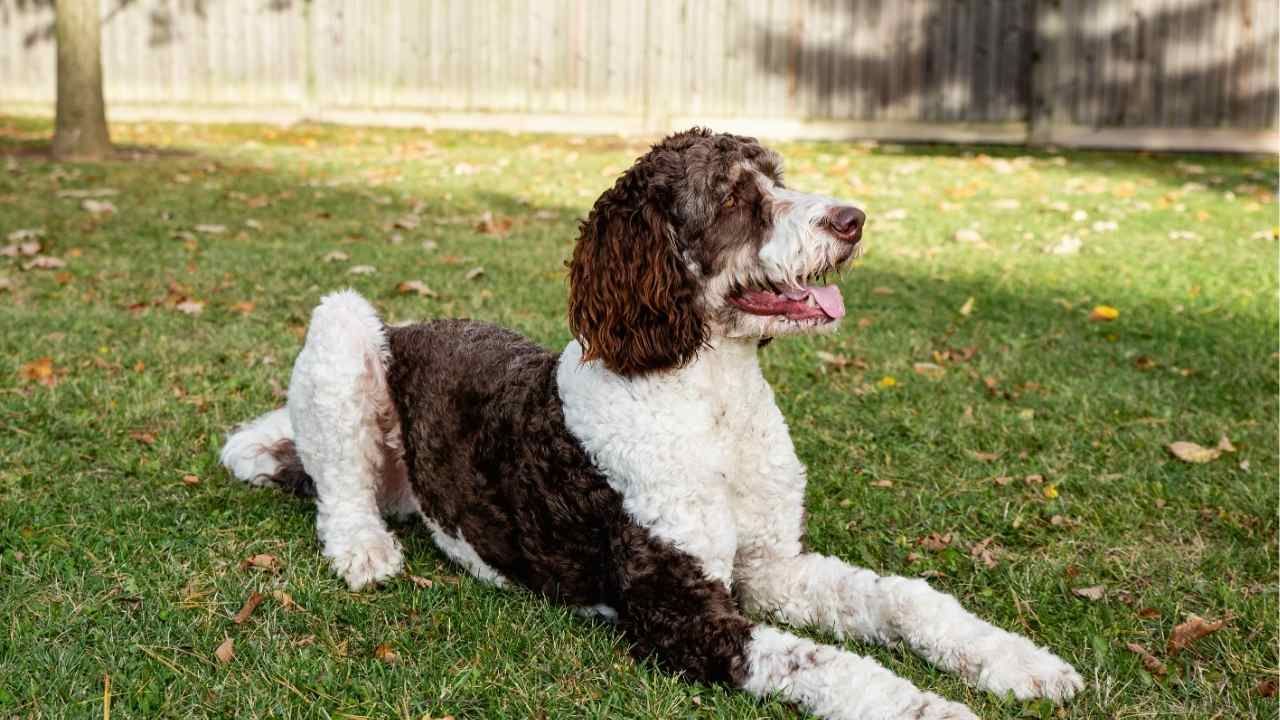
The Bernese Mountain Dog has a thick double coat that sheds regularly. The Poodle, on the other hand, has a curly coat that tends to trap loose hair instead of dropping it around the home. A Bernedoodle can land anywhere between those two coat types.
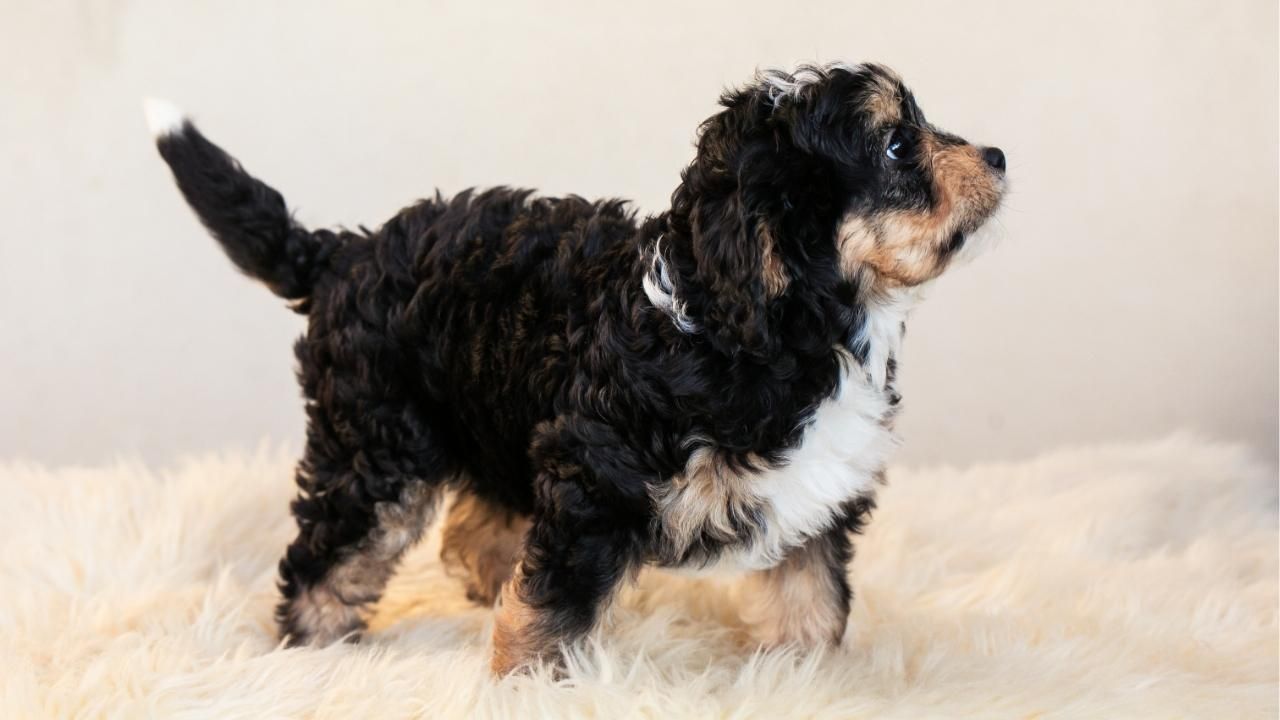
Most Bernedoodle coats fall into three general categories:
- Curly coat: Usually the lowest shedding, often more Poodle-like
- Wavy coat: Common, soft, and typically low to moderate shedding
- Straight coat: More likely to shed, especially if it leans Bernese
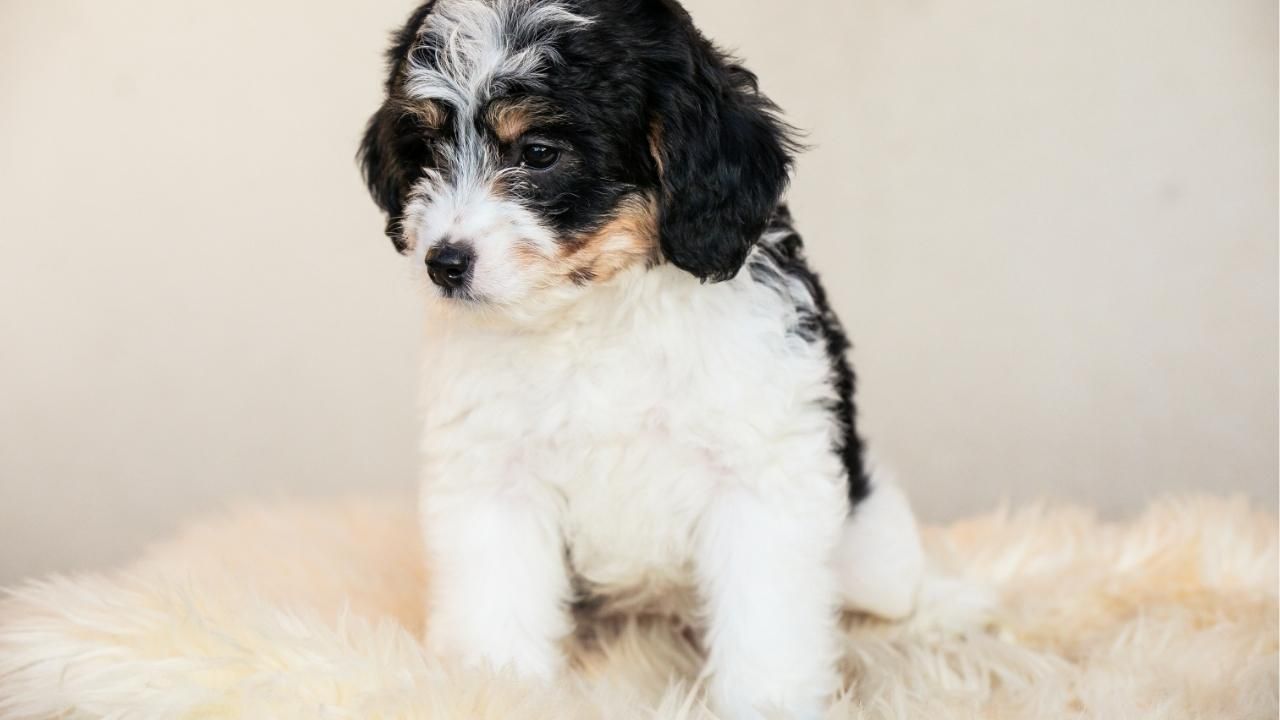
This is where buyers need to be careful. A puppy’s coat may look fluffy and low-shedding at eight weeks old, but adult coat texture can change as the dog matures. That is why working with a knowledgeable breeder matters. They can explain the parents’ coat history, previous litter patterns, and what buyers can realistically expect.
Are Bernedoodles Hypoallergenic?
Many people look at Bernedoodles because they have heard they are hypoallergenic. The truth is more practical than perfect.
Bernedoodles can be allergy-friendly for some people, but they are not guaranteed to be allergy-safe for everyone. Allergies are usually triggered by dander, saliva, and proteins on the skin, not just loose hair. A low-shedding coat may reduce the amount of hair and dander spread around the house, but it does not remove allergens completely.
Before choosing a Bernedoodle, buyers with allergies should:
- Spend time around Bernedoodles when possible
- Ask about the puppy’s coat type and generation
- Learn about the grooming schedule required
- Keep expectations realistic
- Avoid breeders who guarantee “no allergies”
For many homes, a curly or wavy Bernedoodle may be easier to live with than a heavy-shedding breed. Still, allergy-sensitive buyers should make the decision carefully.
Grooming Makes a Big Difference
Even low-shedding Bernedoodles need regular grooming. In fact, the less a Bernedoodle sheds, the more important brushing often becomes. Loose hair can get trapped inside the coat, which may lead to tangles and mats if not removed.
A good Bernedoodle grooming routine usually includes:
- Brushing several times per week
- Professional grooming every 6 to 8 weeks
- Regular ear cleaning
- Nail trimming
- Bathing as needed
- Checking for mats behind the ears, under the legs, and around the collar
Curly-coated Bernedoodles often need the most coat maintenance. Wavy coats may be easier, but they still require consistent brushing. Straight coats may shed more but can sometimes be simpler to maintain.
The biggest mistake buyers make is assuming “low-shedding” means “low-maintenance.” Bernedoodles are beautiful dogs, but their coats need care. Skipping grooming can quickly turn a soft, fluffy coat into a painful mess of mats.
What Buyers Should Ask Before Choosing a Puppy
A trustworthy breeder will not just show cute puppy photos. They will help buyers understand the dog they are bringing home. Shedding, grooming, size, temperament, and health should all be part of the conversation.
Before choosing a Bernedoodle puppy, ask:
- What coat type does this puppy appear to have?
- What were the parents’ coats like?
- Have previous litters from these parents shed much?
- Is this puppy expected to be curly, wavy, or straight-coated?
- How often will this coat need grooming?
- Are there health records for the parents?
- What support do you offer after the puppy goes home?
These questions protect both the buyer and the puppy. A Bernedoodle is a long-term family commitment, not just a cute purchase. The more you know upfront, the easier it is to choose a puppy that fits your home, lifestyle, and expectations.
Short Case Study: A Better Match Through Coat Education
A family with mild allergies wanted a Bernedoodle because they had heard the breed did not shed. At first, they were drawn to the fluffiest puppy in the litter, but after talking with the breeder, they learned that puppy had a straighter coat and might shed more as an adult. The breeder showed them a wavy-coated puppy from the same litter whose coat history was closer to what the family needed. They chose the wavy-coated puppy, committed to regular grooming, and had a much smoother experience at home. The right guidance helped them avoid a poor match.
Final Thoughts: Low-Shedding Does Not Mean No Responsibility
Bernedoodles can be a wonderful option for buyers who want a loving, intelligent, family-friendly dog with a lower-shedding coat. But buyers should not choose one based on assumptions. Coat type matters. Genetics matter. Grooming matters.
The best experience starts with clear information before the puppy ever comes home. When you understand how Bernedoodle shedding works, you can choose with confidence and prepare your home properly.
If you are ready to find the right Bernedoodle for your family,
connect with a trusted breeder who can guide you through coat type, temperament, grooming needs, and long-term care before you make your decision.