
Clicker Training Explained: Tiny Tool, Huge Results
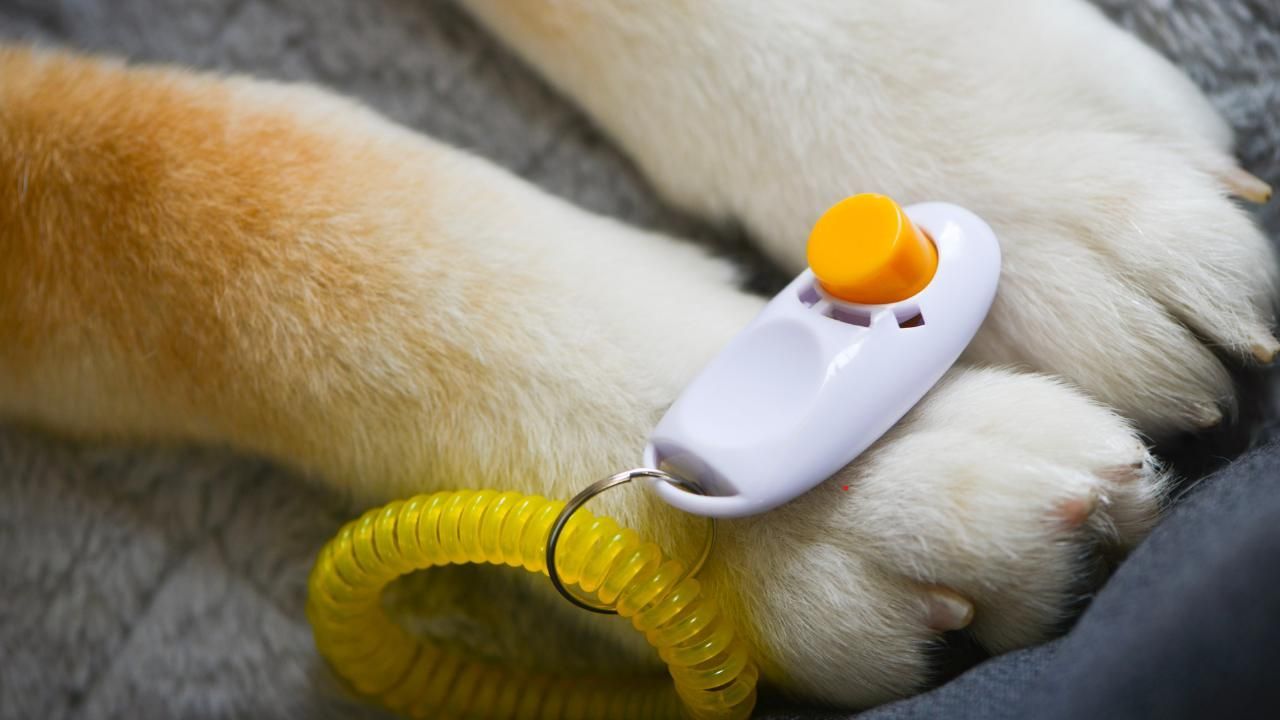
Dog training has come a long way from old-school discipline to positive reinforcement — and clicker training is leading that shift. It’s simple, gentle, and surprisingly effective. With just a small clicker and some treats, you can teach your pup everything from basic commands to advanced tricks — all while strengthening your bond.
In this post, you’ll learn how clicker training works, why it’s so powerful, and how you can use it to raise a well-behaved, confident dog. Whether you’re starting fresh with a new puppy or refining your training approach, this method can transform your results.
What Is Clicker Training?
Clicker training uses a small handheld device that makes a distinct “click” sound to mark a behavior the moment your dog does something right. It’s based on positive reinforcement — rewarding good behavior instead of punishing mistakes.
The process is simple:
- Your dog performs a desired action (like sitting).
- You click to mark the behavior.
- You immediately reward with a treat.
Over time, your dog learns that the click means they did something right and a reward is coming. This instant feedback helps them connect the dots much faster than with voice praise alone.
If you’ve recently brought home a new puppy and are looking for an effective way to start training early, clicker training works beautifully with smart, eager-to-learn breeds like those from Bernedoodles puppies for sale in Cottonwood AZ. These pups from Doodling Pups, LLC are known for their intelligence, gentle temperament, and strong desire to please — the perfect combination for clicker success.
Why Clicker Training Works So Well
Dogs live in the moment, which means timing is everything. The click sound bridges the gap between the behavior and the reward, helping your dog understand exactly what earned them the treat.
Here’s why it’s so effective:
- Precision: The sound marks the behavior at the exact second it happens.
- Consistency: The click always sounds the same, unlike your tone of voice.
- Positive energy: It keeps training fun and engaging for your dog.
- Confidence: Your dog learns to think, try, and make choices, not just follow commands.
A case study from a local dog owner perfectly illustrates this: After adopting a young Bernedoodle, Sarah started using clicker training for simple commands like “sit” and “stay.” Within two weeks, her dog was responding to more than a dozen cues — and training time became the highlight of their day. “He lights up when he hears the click,” Sarah said. “It’s like we’re having a conversation.”
How to Start Clicker Training
You don’t need fancy equipment — just a clicker, treats, and a few minutes of focus.
Step 1: Charge the clicker
Click and treat several times so your dog learns that the sound equals a reward.
Step 2: Capture behaviors
Start with simple actions like “sit” or “touch.” Click the instant your dog does it, then treat.
Step 3: Add cues
Once your dog consistently performs the behavior, add a verbal cue before they do it.
Step 4: Fade treats slowly
As your dog masters each skill, reduce treat frequency — but keep clicks and praise strong.
This approach works for puppies and adults alike, even with already trained Bernedoodles who can refine manners or learn new tricks with ease.
Building a Stronger Connection
Clicker training isn’t just about obedience — it’s about communication. When your dog realizes they can make choices that earn rewards, their trust in you deepens. This mutual understanding creates a calmer, more responsive dog who enjoys learning instead of fearing correction.
Every click builds confidence. Every session strengthens your bond. And over time, you’ll find that this “tiny tool” brings huge results.
Ready to experience the power of positive training?
Grab a clicker, set aside a few minutes each day, and watch your dog’s confidence and skills soar. If you have any questions or want personalized advice on getting started, please
contact us!