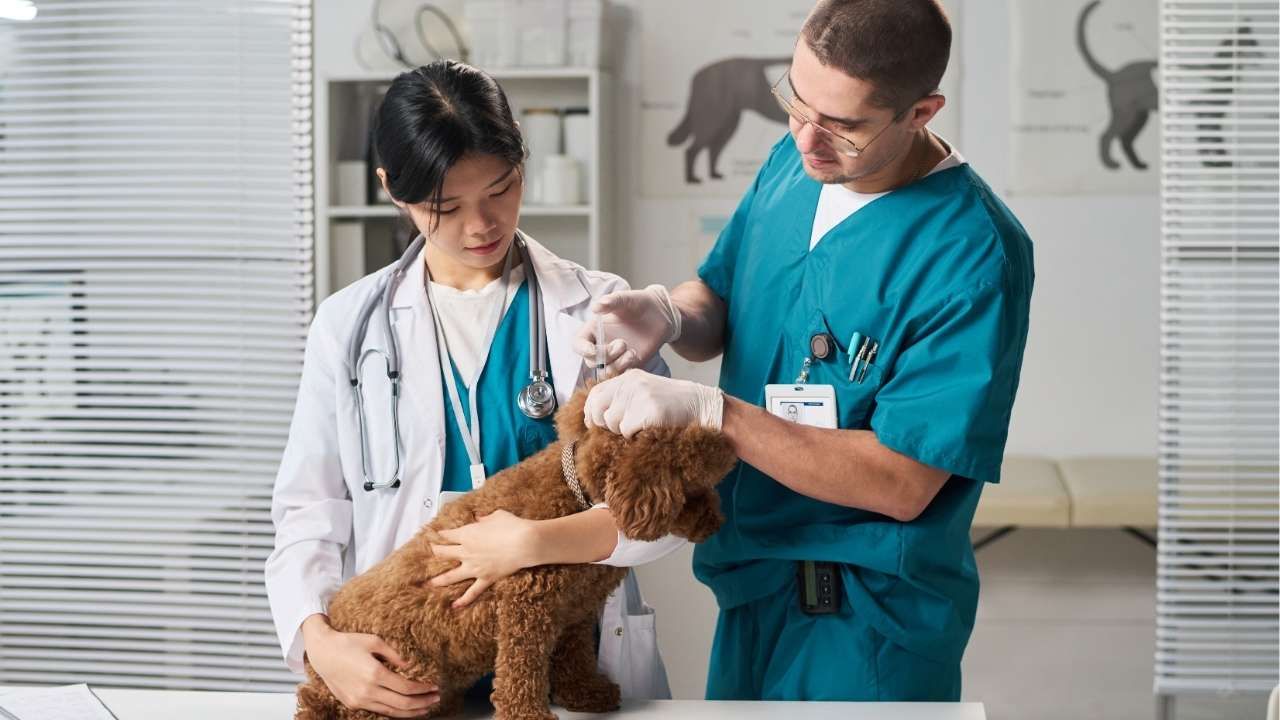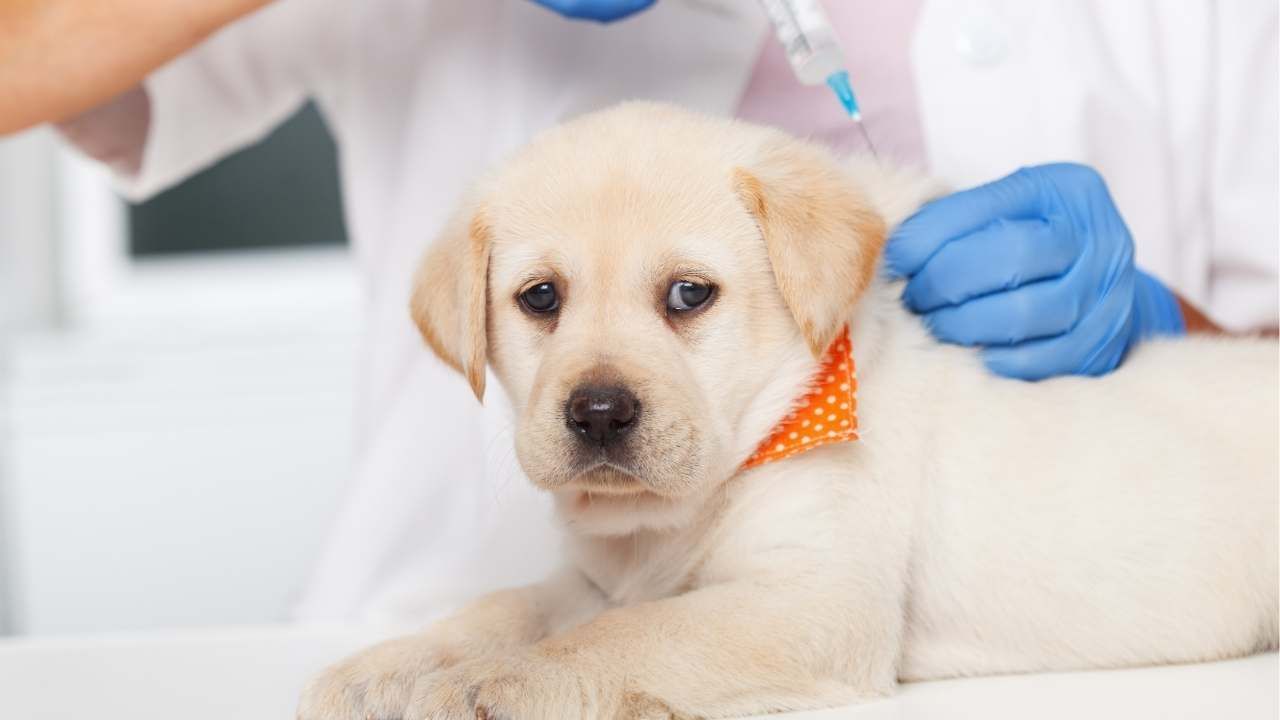
The Pros and Cons of Early Spaying and Neutering

When it comes to raising healthy, happy pups, one of the biggest decisions pet owners face is whether to spay or neuter—and when. This topic has gained more attention, especially among those searching for designer dogs for sale in Arizona, where health-conscious breeding practices are a top priority. Whether you’ve just welcomed a new puppy into your home or you're planning ahead, it’s worth weighing the benefits and risks of early sterilization.
In this post, we’ll break down the pros and cons of spaying or neutering dogs at a young age, so you can make the best decision for your furry family member.
The Benefits of Early Spaying and Neutering
Many veterinarians and breeders advocate for early sterilization, typically around 6 to 9 months of age. Here’s why:
1. Population Control
Spaying and neutering prevent unwanted litters, which helps reduce the number of homeless animals in shelters. For responsible pet owners, this is often a driving factor in choosing early sterilization.
2. Behavioral Improvements
Neutered males are less likely to roam, mount, or display aggressive behavior. Spayed females won’t go into heat, which can mean fewer mood swings and less mess for owners to deal with.
3. Lower Risk of Certain Health Issues
- Females: Spaying before the first heat cycle dramatically reduces the risk of mammary tumors and eliminates the chance of uterine infections (pyometra), which can be life-threatening.
- Males: Neutering eliminates the risk of testicular cancer and can reduce the risk of prostate problems.
4. Recovery Time is Shorter
Younger dogs tend to heal faster from surgery. Their bodies bounce back more quickly, and they typically experience fewer post-operative complications.
The Downsides of Early Spaying and Neutering
While early sterilization has its advantages, it’s not the right choice for every dog. Here are some drawbacks to consider:
1. Impact on Growth and Development
Hormones play a key role in a dog’s growth plates. When spayed or neutered too early, some dogs may grow slightly taller than expected, which could increase the risk of joint issues in large breeds.
2. Potential Weight Gain
Dogs that are spayed or neutered early may have a slightly lower metabolism, leading to weight gain if their diet and exercise aren’t adjusted accordingly. However, this can be managed with proper nutrition and activity.
3. Risk of Certain Cancers
While early sterilization reduces some cancer risks, studies suggest it may increase the risk of others—such as bone cancer or hemangiosarcoma—in certain breeds. Research is ongoing, and breed-specific data can help guide your decision.
4. Urinary Incontinence in Females
Some spayed females may experience hormone-related incontinence later in life. While this is manageable with medication, it’s a known side effect that some owners encounter.
Case Study: A Doodle’s Journey
When Sarah adopted Bella, a Goldendoodle from Doodling Pups, LLC, she was given thorough guidance on when to spay. After consulting with the breeder and vet, Sarah decided to wait until Bella was 12 months old to support joint health. Today, Bella is thriving—active, healthy, and well-adjusted. Sarah credits the open communication and support from her breeder, who helped her choose the right timing for Bella’s needs.
So, What's the Right Age?
There’s no one-size-fits-all answer. Factors like breed, size, and lifestyle all come into play. Small dogs often do well with earlier spay/neuter timelines, while larger breeds may benefit from waiting until growth plates have closed.
If you’re planning to adopt soon, ask your breeder what they recommend. Reputable dog breeders typically provide guidance based on the latest veterinary recommendations and breed-specific health data.
Final Thoughts
Early spaying and neutering come with clear benefits but also some nuanced risks. The best approach? Have an open conversation with your vet and breeder. By doing your research and listening to expert advice, you’ll be able to make a confident, informed choice that sets your pup up for a happy, healthy life.
Still exploring your options? Get in touch with Doodling Pups, LLC to learn more about their healthy breeding practices and see their current litters of loving, well-cared-for doodles waiting for their forever homes.